
What Are Dental Implants?
Dental implants serve as a foundational support system for replacement teeth, matching the appearance and function of natural teeth. They are primarily composed of titanium, which when integrated with the jawbone, helps maintain bone structure and provides stability. According to the Mayo Clinic, this integration is crucial for long-term dental and overall health, offering a reliable solution when teeth are lost due to decay or injury. The integration process, known as osseointegration, involves the fusion of the implant with the jawbone, a critical step in ensuring the durability and functionality of the replacement tooth. This process has been refined over the years, making dental implants one of the most successful dental treatments available today.
An important aspect of dental implants is their ability to mimic natural teeth in both form and function. Unlike dentures or bridges, dental implants do not affect neighboring teeth, preserving the natural tooth structure. This feature not only enhances aesthetic appeal but also contributes to improved oral health by preventing the misalignment or shifting of adjacent teeth. Dental implants also stimulate the jawbone, preventing bone loss that often follows tooth loss. This bone preservation is essential for maintaining facial structure and preventing the aging effects associated with jawbone deterioration.
With advancements in dental technology, the range of options available for dental implants has expanded. Whether a single tooth, multiple teeth, or even a complete set of teeth need replacement, implants offer a versatile solution. The introduction of computer-aided design and manufacturing techniques has enabled highly personalized treatment plans, ensuring better fit and function. Dental implants’ durability is a significant advantage, as they typically last for decades with proper care and maintenance. This makes them a valuable investment in one’s oral health and overall quality of life.
What Types of Dental Implants Are Available?
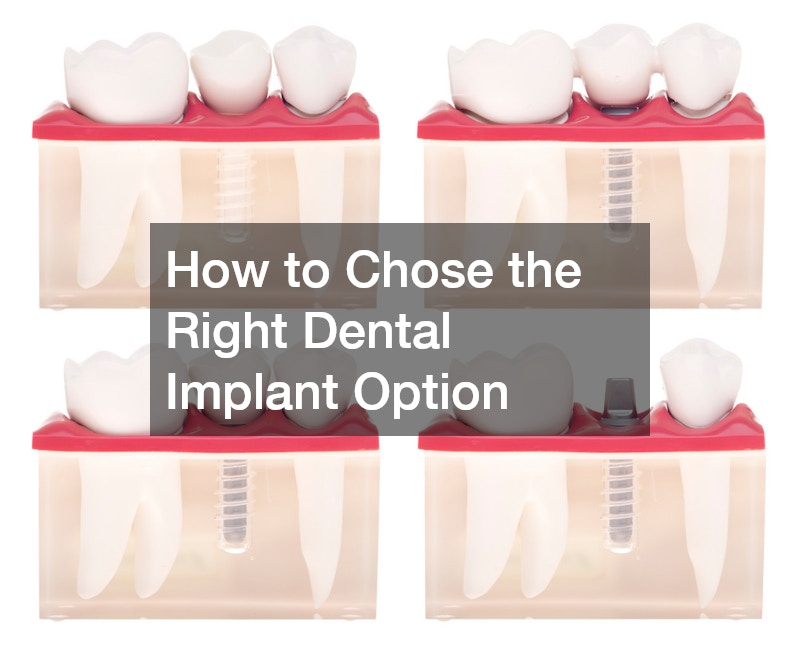
Choosing the right dental implant involves understanding the different types available, each with unique benefits and considerations. The two primary types of dental implants are endosteal and subperiosteal. Endosteal implants, the most common type, are directly implanted into the jawbone, offering excellent stability and support. They are often chosen for their strength and integration capabilities, becoming part and parcel of the jaw’s structure over time. Subperiosteal implants, on the other hand, are positioned on top of the jawbone and under the gum. They are typically recommended for individuals with limited bone height who are not ideal candidates for bone grafting.
The choice between endosteal and subperiosteal implants should consider various factors, including bone density and personal health history. A thorough evaluation by a dental professional, including X-rays or CT scans, can determine the patient’s bone structure and density, critical for deciding on the appropriate implant type. Endosteal implants usually require good jawbone health, while subperiosteal implants can be preferred if the bone loss is significant. Understanding these distinctions can help patients make informed decisions and have thorough discussions with their dental care provider. The ultimate goal is to select an implant type that aligns with the patient’s specific dental health status and long-term goals.
While endosteal and subperiosteal implants are more traditional options, innovation in dental practices has led to newer implant techniques such as mini and zygomatic implants. Mini dental implants are smaller in diameter and offer quicker, less invasive procedures with shorter recovery times. They are ideal for patients needing stability for smaller prosthetic teeth or those with limited jawbone structure. Zygomatic implants extend into the cheekbone, providing another alternative for those with severe bone loss in the upper jaw. These advancements highlight the adaptability and innovation within the field of dental implants, ensuring patients have viable options for restoring their dental health effectively.
What Is the Process of Getting Dental Implants?
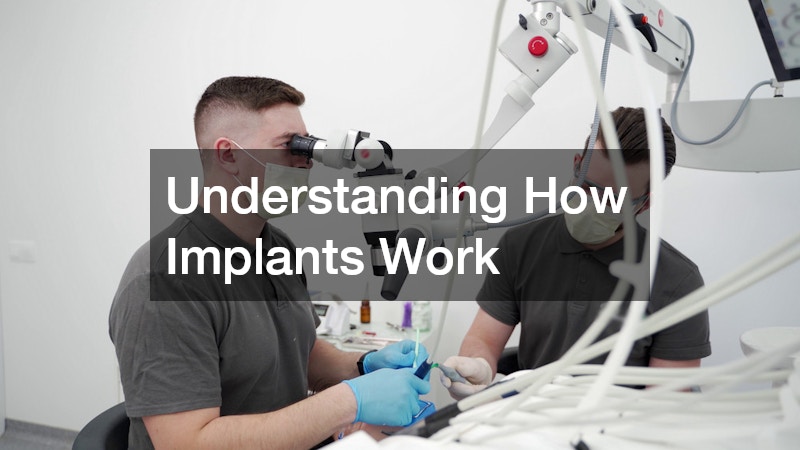
The journey to acquiring dental implants begins with a comprehensive assessment by a dental professional. Initial consultations typically involve a series of diagnostic tests such as X-rays or CT scans to evaluate bone structure and health. During this phase, the dentist will take impressions of your teeth to create a detailed treatment plan tailored to your needs. This planning step is vital, as it informs the entire implant procedure, ensuring it aligns with the patient’s oral health requirements and aesthetic goals. A thorough consultation not only aids in treatment planning but also provides an opportunity for patients to ask questions and share any concerns regarding the procedure.
Once the treatment plan is finalized, the surgical placement of the implant follows. This procedure involves inserting the implant into the jawbone, where it will serve as a sturdy base for the replacement tooth. The surgery is usually performed under local anesthesia or sedation, depending on the complexity of the case and patient comfort preferences. After placement, a recovery period ensues to allow for osseointegration, where the implant fuses with the jawbone. This healing phase is crucial, typically lasting several months, ensuring the implants serve their intended function with maximum strength and stability.
What Are the Long-term Benefits and Success Rates of Dental Implants?
Dental implants are well-regarded for their high success rates and considerable long-term benefits. A study published by PubMed Central reveals dental implants boast a success rate surpassing 95%, a testament to their effectiveness in oral rehabilitation. This high success rate is due in part to the rigorous procedures and advanced technologies employed in modern dentistry. When maintained correctly, implants offer not only durability but also aesthetic advantages, providing a lifelike replacement that integrates seamlessly with existing teeth. The stable and secure fitting of implants also ensures improved chewing functionality compared to other dental alternatives, enabling patients to enjoy a broader and more satisfying range of dietary options.
Selecting the appropriate dental implant option is an intricate process, entailing careful consideration of individual needs, material choices, and provider expertise. An informed decision, supported by thorough research and consultation with reputable dental implant providers, is essential to achieving optimal results. The knowledge and skillset of the provider significantly influence the treatment’s success, underscoring the importance of choosing qualified professionals with a proven track record. We recommend exploring authoritative sources such as the American Dental Association and Mayo Clinic for comprehensive insights into dental implants.
Dental implants represent an investment in long-term oral health and overall well-being. Their natural appearance, functional benefits, and durability make them a preferred choice for tooth replacement. Understanding the intricacies of the implant process, from material selection to the choice of an experienced provider, empowers patients to make informed decisions. By staying informed about advancements in implant technology and techniques, patients can leverage these developments to ensure a high rate of success and satisfaction in their dental treatment.
For those seeking further information and guidance, resources such as the Dental Implant Source can offer valuable insights into implant options and the latest advancements in implant technology. Embracing the cutting-edge solutions available today can ensure that dental implants provide their full spectrum of benefits, enhancing not only oral health but overall quality of life. With the right information and a strategic approach, dental implants can deliver unparalleled success, confidence, and comfort to those who choose them.