This article aims to provide comprehensive insights into the implications of teeth whitening cost, exploring different factors that affect pricing and outcomes, both before and after the procedure.
What Are the Typical Costs of Teeth Whitening Treatments?
Professional In-Office Treatments
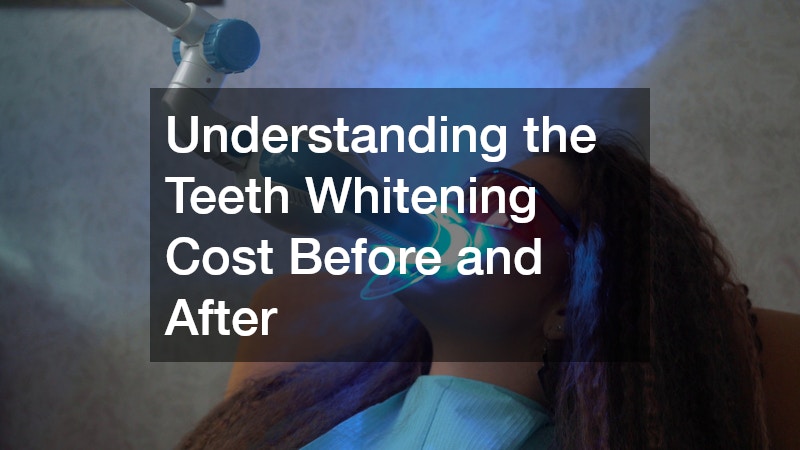
Professional in-office teeth whitening treatments typically range from $300 to $1,000 per session. The variation in costs is largely due to the type of bleaching agent used and the reputation of the dental practice.
The process offers immediate results, which is why it remains a popular choice despite the higher cost. Patients should factor in that multiple sessions might be needed to achieve desired outcomes.
Opting for professional treatments ensures safety and reduces the risk of improper application. Dentists tailor the procedure to fit the patient’s specific dental needs, which can affect the end cost.
At-Home Whitening Kits
At-home whitening kits are a more affordable alternative, with prices typically ranging from $20 to $200. These kits allow users to achieve a whiter smile from the comfort of their own home.
The effectiveness of these kits can vary greatly, depending on the concentration of the whitening agent and the user’s adherence to instructions. Many find the convenience and lower upfront costs appealing.
Unlike professional treatments, at-home options may require more frequent application to maintain results. Users should be mindful of potential tooth sensitivity and ensure they purchase from reputable manufacturers to guarantee safety.
How Do Various Factors Influence the Cost of Teeth Whitening?
Types of Whitening Procedures
Different whitening procedures, such as laser or LED treatments, can significantly influence the cost. For instance, laser whitening is generally more expensive due to its advanced technology and faster results.
Some procedures might offer longer-lasting effects, justifying a higher initial investment. Patients should weigh the benefits of each method against their budgetary constraints.
Ultimately, the chosen procedure will impact not only cost but also overall satisfaction. It is crucial to consult with a dental professional to choose the most suitable option.
Geographic Location and Dentist Expertise
The geographic location of the dental practice can vastly affect pricing. Urban areas with a higher cost of living tend to have pricier dental services.
A dentist’s expertise and reputation also play a significant role in determining the cost. Experienced practitioners may charge a premium for their services, offering assurance of safer and more effective outcomes.
Patients should consider both location and expertise when budgeting for whitening treatments. This ensures a balance between cost-effectiveness and quality care.
What Are the Expected Results and Longevity of Teeth Whitening?
Immediate Results Versus Long-Term Effects
Teeth whitening generally provides immediate visual results, which can be very satisfying. However, maintaining these results requires careful post-treatment care.
Without proper care, the effects of whitening can diminish within a few months, especially if consuming staining foods or drinks. Adopting good oral hygiene practices can prolong the results.
Regular touch-ups may be needed to maintain the desired brightness. Patients should understand that longevity varies by individual and treatment type.
Maintaining Results After the Procedure
To extend the longevity of teeth whitening treatments, individuals should avoid tobacco and limit coffee and red wine intake. Using whitening toothpaste can help sustain the effects between professional cleanings.
Routine dental visits play an essential role in maintaining oral health and ensuring the longevity of whitening effects. Professional cleanings can further enhance and preserve brightness.
Establishing a comprehensive oral care regimen promotes lasting results. Consistency and attention to the dietary factors are key in managing post-whitening expectations.
Are There Any Hidden Costs to Consider?
Potential Additional Treatments
Some patients may require additional treatments such as fillings or restorations to achieve optimal whitening results. These procedures can add to the overall teeth whitening cost.
Individual dental health can influence the need for further treatments. Discussing potential additional costs with a dentist is crucial for an accurate budget.
Understanding these potential expenses allows for better financial planning. Preparing for contingencies can lead to a more satisfying treatment experience.
Long-Term Maintenance Costs
Long-term maintenance costs include purchasing ongoing whitening products like gels and strips. These expenses can accumulate over time, adding to the initial investment.
Regular maintenance may involve further dental visits for monitoring and professional advice, which incur additional costs. Being proactive in self-care routines can minimize these expenses.
To effectively manage long-term costs, consider a balanced approach combining professional and at-home maintenance strategies. This can lead to sustained whitening results with cost-efficiency.
Is Teeth Whitening Worth the Investment?
Cost-Benefit Analysis
The financial investment in the teeth whitening cost should be weighed against the aesthetic benefits. A whiter smile often leads to improved self-esteem and social perceptions.
While the costs can be high, many find the boost in confidence well worth the expense. Each individual’s priorities and financial situation will influence this decision.
Investigating the long-term value of teeth whitening can guide informed decisions. Consider both immediate and enduring impacts when evaluating cost-effectiveness.
Personal Satisfaction and Confidence Boost
The teeth whitening cost is frequently associated with improved personal satisfaction and confidence. A brighter smile can have positive ramifications in both personal and professional life.
For many, the psychological benefits of teeth whitening justify the cost. Enhanced self-image often correlates with better interaction and performance in various aspects of life.
Ultimately, individual results and experiences will dictate satisfaction. Understanding personal motivations and expectations is key to determining if the investment is worthwhile.